

How Modern Kitchens Are Reducing Costs and Maximizing Efficiency
- August 31, 2026
- Posted by: Sheryl Yong
- Category: Chef
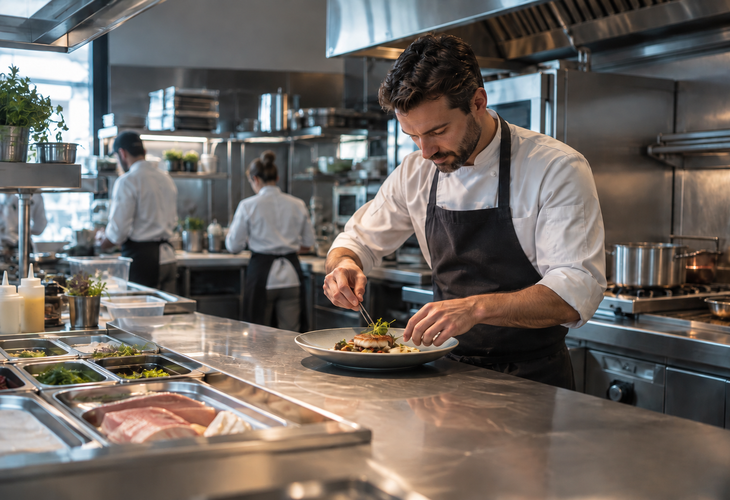
The hospitality industry has changed significantly over the last decade. Rising food costs, labour shortages, higher utility expenses and tighter margins have forced restaurants to rethink how they operate. Modern kitchens are increasingly being designed around efficiency, consistency and profitability, often with smaller teams, less space and tighter budgets. For chefs and operators, the challenge is to maintain food quality and customer satisfaction while making better use of labour, equipment and kitchen capacity.
Kitchens Must Do More With Less
Labour remains one of the largest operating costs for restaurants, pushing many operators to run leaner teams, particularly during off-peak periods. Support roles and everyday operating expenses are also coming under greater scrutiny. Even simple measures, such as switching off unnecessary lighting and signage after closing, can contribute to savings.
Individually, these changes may seem small, but collectively they can make a meaningful difference to profitability. The result is a more resource-constrained operating environment, where chefs and kitchen teams are expected to maintain the same quality and consistency with fewer resources.
From Manual Preparation to Smarter Systems
One of the clearest opportunities is reducing labour-intensive preparation. Traditionally, kitchens may purchase whole cuts of meat and rely on skilled team members to trim and portion them in-house. While this provides greater control, it also requires labour, preparation time and space, and often creates additional trim and waste. Pre-trimmed and portion-controlled steaks and proteins can reduce this workload while improving consistency and helping control food costs, particularly in smaller kitchens where labour, storage and preparation space are limited. However, chefs still need to be selective when choosing suppliers, as quality should never be sacrificed simply to achieve cost savings.
Sous vide and pre-cooked products can offer similar benefits. Lower-cost cuts such as oyster blade can be cooked slowly to break down connective tissue and produce a tender, consistent result that can rival more expensive cuts in eating quality. During service, the product may require only a quick sear and rest before being plated, reducing pressure on kitchen staff and improving speed and consistency. These methods can also free valuable equipment capacity, as traditional slow-cooking processes often occupy ovens for several hours. By moving part of the cooking process upstream, kitchens can make better use of equipment and operate more efficiently within a smaller footprint.
Designing Menus For Speed, Margin and Cosistency
Menu design is also becoming an important tool for improving kitchen efficiency and profitability. Chefs have always considered flavour, quality and customer appeal, but preparation time, labour requirements, equipment usage and margin now play an increasingly important role. Lower-cost cuts such as beef cheeks, lamb shanks and oyster blade are good examples. Through slow cooking or sous vide preparation, they can be transformed into tender, flavourful dishes that deliver a premium eating experience without relying on premium-priced proteins.
Pasta restaurants have used this approach for years. Dishes such as slow-cooked beef cheek rigatoni or rich ragù sauces show how relatively economical proteins can become high-value menu items. The challenge is that traditional slow-cooking methods can require significant labour, supervision and equipment time. Pre-cooked lamb shanks, short ribs and other slow-cooked proteins can reduce some of this workload, allowing kitchen teams to focus more on finishing, plating and service. In higher-end restaurants, however, the balance is more delicate, as any efficiency gain must still preserve the quality, consistency and integrity of the final dish.
Efficiency Without Compromising Quality
The shift towards leaner kitchens is not about removing skill from the kitchen or replacing every traditional process. It is about identifying where skilled labour adds the greatest value and where certain tasks can be simplified, standardised or supported by suppliers without compromising the finished product. Better consistency can also mean fewer mistakes, fewer returned meals and less food being discarded, all of which contribute to a healthier bottom line.
For chefs and operators, the objective remains the same: to deliver consistent, high-quality food while using labour, ingredients, equipment and space more efficiently. The kitchens best positioned for the future will be those that can adapt, embrace smarter ways of working and continue to do more with less while maintaining the quality and experience customers expect.
By: Chef Brett Kerr